Independent Australian cruise intelligence

Australian Cruise Horizons – Cabins, Dining, Onboard Life & Destinations

Your independent guide to ocean liners departing Sydney, Melbourne, Brisbane, and Fremantle. Discover verified reviews of staterooms, specialty dining, multi-deck facilities, sea-day experiences, and the destinations that shape each voyage.

Compare departure dates, itineraries and ship options from Australia’s major cruise gateways.

Sydney
NSW origin
Melbourne
VIC origin
Brisbane
QLD origin
Fremantle
WA origin

Shipboard systems

What modern cruising brings together

A contemporary cruise ship is transport, accommodation and a changing destination platform at once. Reading its systems before booking makes the daily experience easier to compare.

Accommodation

Floating resort accommodation

Modern ships range from practical inside cabins to oceanview, balcony and suite categories. The choice affects daylight, private outdoor space, location and everyday convenience, so it is best treated as a planning decision rather than a universal upgrade path.
Dining

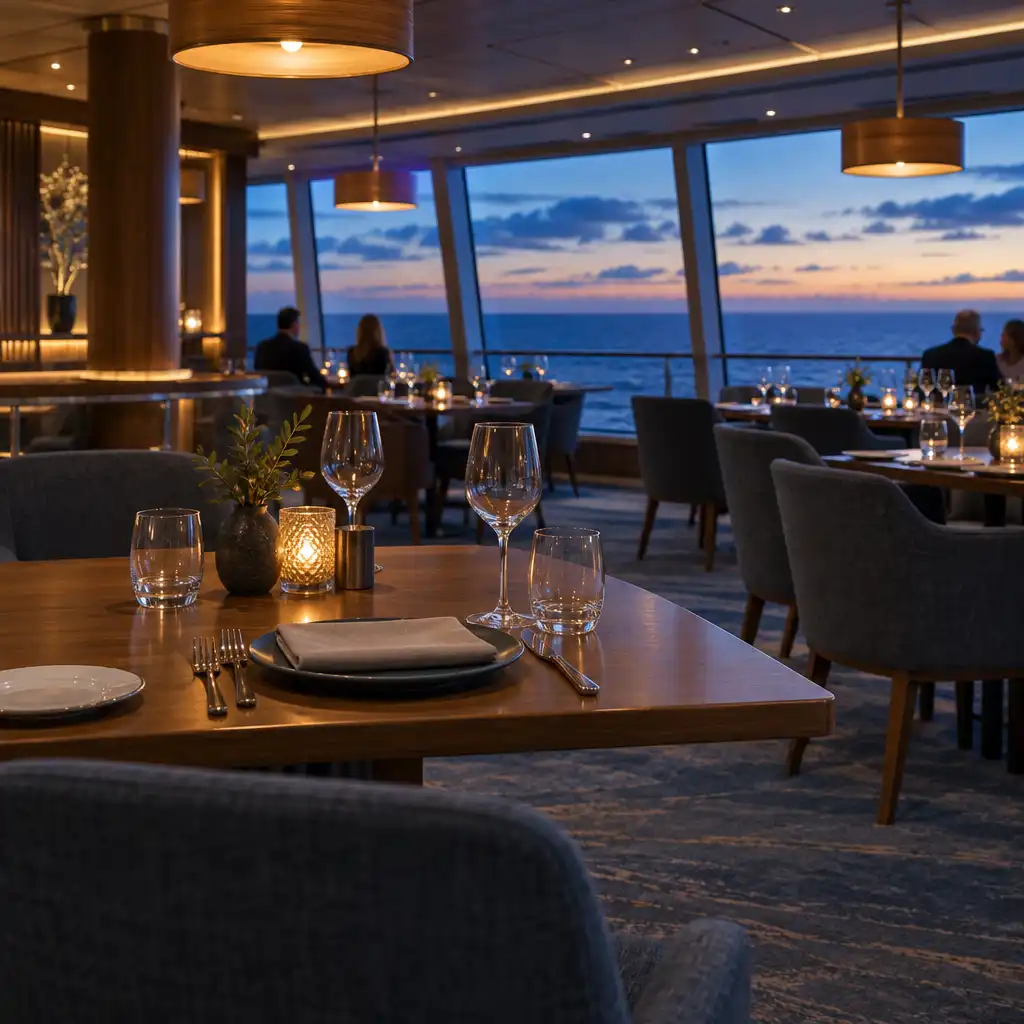
Restaurant precincts

Included dining, casual daytime venues and specialty restaurant experiences can sit within one shipboard plan. Check what is included, whether reservations are useful and how current dietary requests are handled for the sailing you are considering.

Entertainment

High-tech theatre entertainment

Theatre productions, live music, lounges, screenings and activity programming shape the rhythm after dark. Schedules, venues and age suitability vary by ship and sailing, making entertainment coverage useful for comparing life at sea.

Open air

Open-deck wellness

Pool decks, walking routes, views, fitness spaces and quieter open-air areas are part of a ship’s daily infrastructure. Weather, sea conditions and design may change how these spaces work for families, adults, walkers and groups.

Ship infrastructure

Guest services and wayfinding

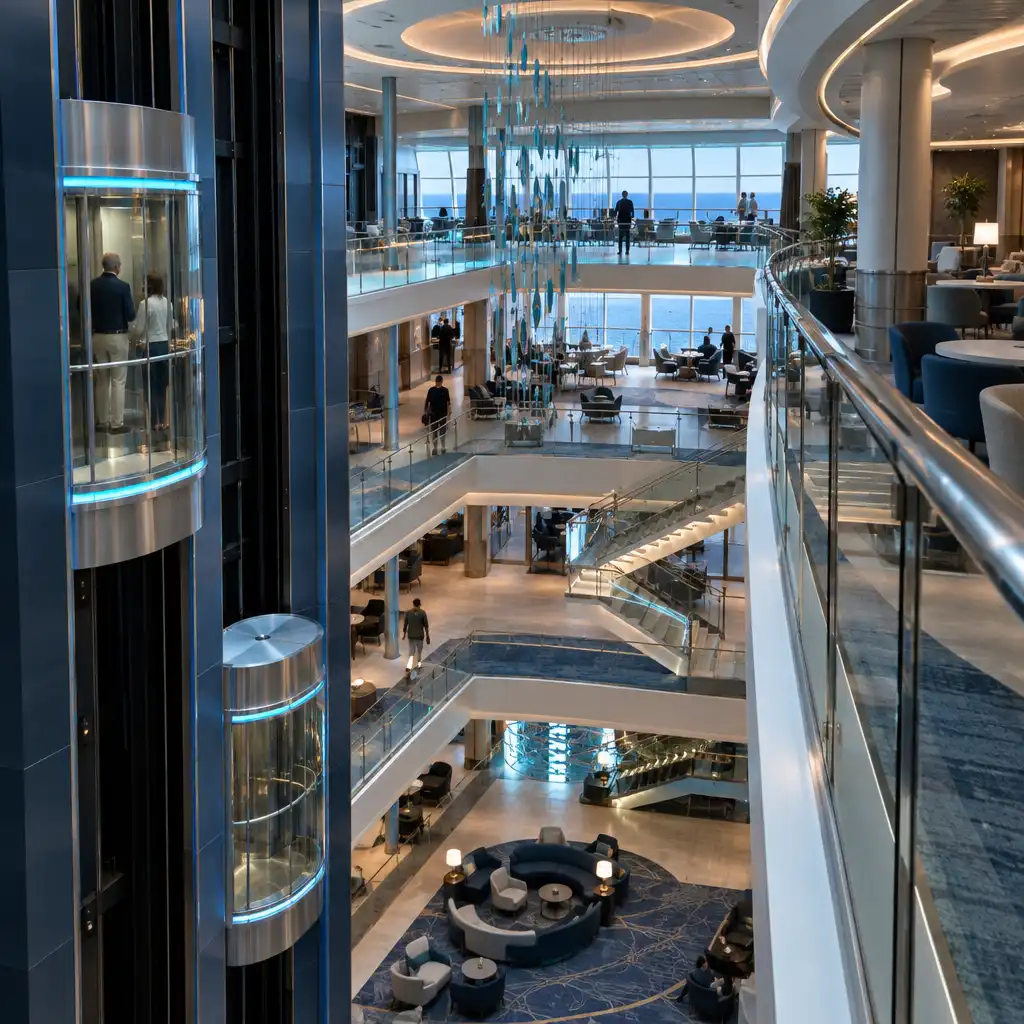
Guest services, lifts, signage, medical centres and shore-excursion meeting points keep a large ship moving. Their location and procedures vary by vessel, so deck plans and current onboard information are useful planning tools.

Deck reference

Ship and deck guides

Use ship reviews, deck-plan context and infrastructure coverage to understand pool zones, theatres, dining locations, lounges, lifts and the relationships between decks.

Explore ship reviews

Cabin context

Cabins and suites

Compare inside, oceanview, balcony and suite categories through location, layout, views, convenience and trade-offs between quieter areas and central access.

Read cabin guidance

Daytime / After dark

Dining, lifestyle and entertainment

Dining guides and lifestyle coverage help you compare daytime venues, specialty dining, activities, shows and the social character of public spaces.

Browse dining guides

Destination context

Cruise destinations and travel planning

Compare South Pacific islands, New Zealand, the Great Barrier Reef, Tasmania and the Kimberley before you choose a departure and route.

Cruise destinations · Australian itineraries

Departure horizons

Four Australian departure horizons

Your nearest departure point is a practical starting lens, not a fixed calendar. Use it to compare current dates, durations, ships and itineraries before making wider travel arrangements.

NSW departure context

Sydney

Sydney is a key departure-origin reference for travellers comparing ocean liner sailings from New South Wales. Compare dates and itineraries rather than assuming a fixed sailing pattern.

Compare from Sydney

VIC departure context

Melbourne

Melbourne is a Victorian departure point within our Australian sailing coverage. Use it as an origin filter when you want a practical local comparison starting point.

Compare from Melbourne

QLD departure context

Brisbane

Brisbane is a Queensland departure point and a useful starting lens for itinerary research. Compare current dates, duration and ship options through the finder.

Compare from Brisbane

WA departure context

Fremantle

Fremantle is a Western Australian departure point within GEORGIOS DIMOSTHENIADIS’s coverage. Compare sailings from a local origin before deciding whether interstate travel is necessary.

Compare from Fremantle

Practical comparison

Read the ship before choosing the fare

Stateroom categories and location

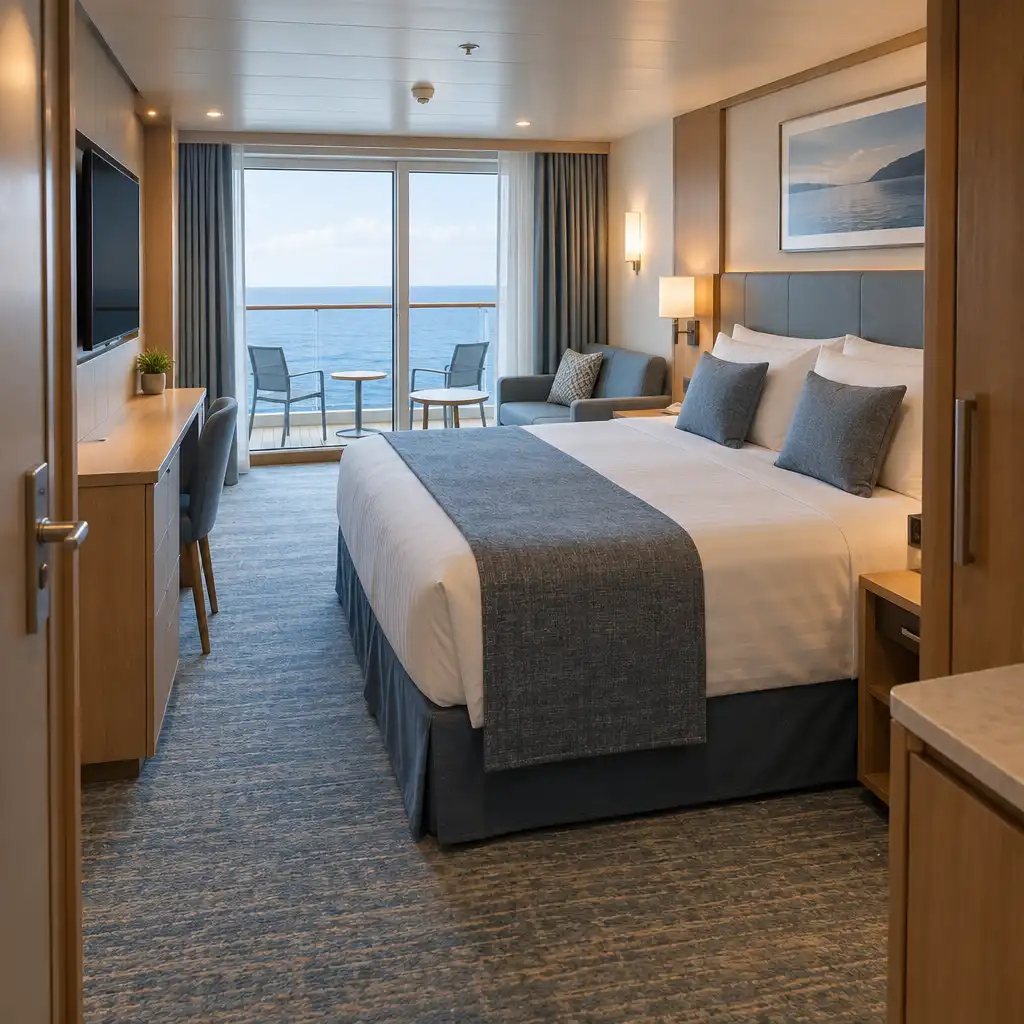
Inside, oceanview, balcony and suite categories are useful starting points, but location matters just as much. Read cabin plans for nearby public spaces, lift proximity, possible noise exposure and the part of the ship where you may feel movement most. No category is always best; the useful choice is the one that supports your routine and priorities.

Inside
Practical private base
Oceanview
Natural light context
Balcony
Private outdoor space
Suite
Expanded layout options
Contemporary cruise balcony stateroom with bed and ocean view

Dining that fits the day

Compare included dining, casual venues, specialty dining and booking patterns around routines, budgets and group needs. Ask about flexibility, dietary questions and busy evening periods for the sailing itself, because current arrangements can differ.

Daytime infrastructure

Pool decks, wellness areas, observation spaces, activity venues, lounges and family areas can shape sea-day comfort. Deck plans reveal how access, crowds, noise and sun exposure may affect an area in practice.

Evening entertainment

Theatres, live music, bars, lounges and scheduled events create different rhythms after dark, especially on sea days and longer itineraries. Inspect venue types and programme styles instead of relying on broad marketing language; programming varies by sailing.

Smart ship technology and guest management

Digital daily planners, onboard accounts, booking systems, venue access and service communication can shape the flow of a ship. Technology differs by operator and vessel, so check current ship information before relying on a particular feature.

After dark

After dark: shows, social spaces and deck life

Entertainment beyond the theatre

Evenings can include theatre shows, live music, lounges, activities, screenings and social spaces, with venue choice and timetables varying by ship and sailing. Some travellers prefer quiet listening, while others look for big-stage productions, family activities or group nightlife. Reading the venue mix helps set expectations without treating any programme as guaranteed.

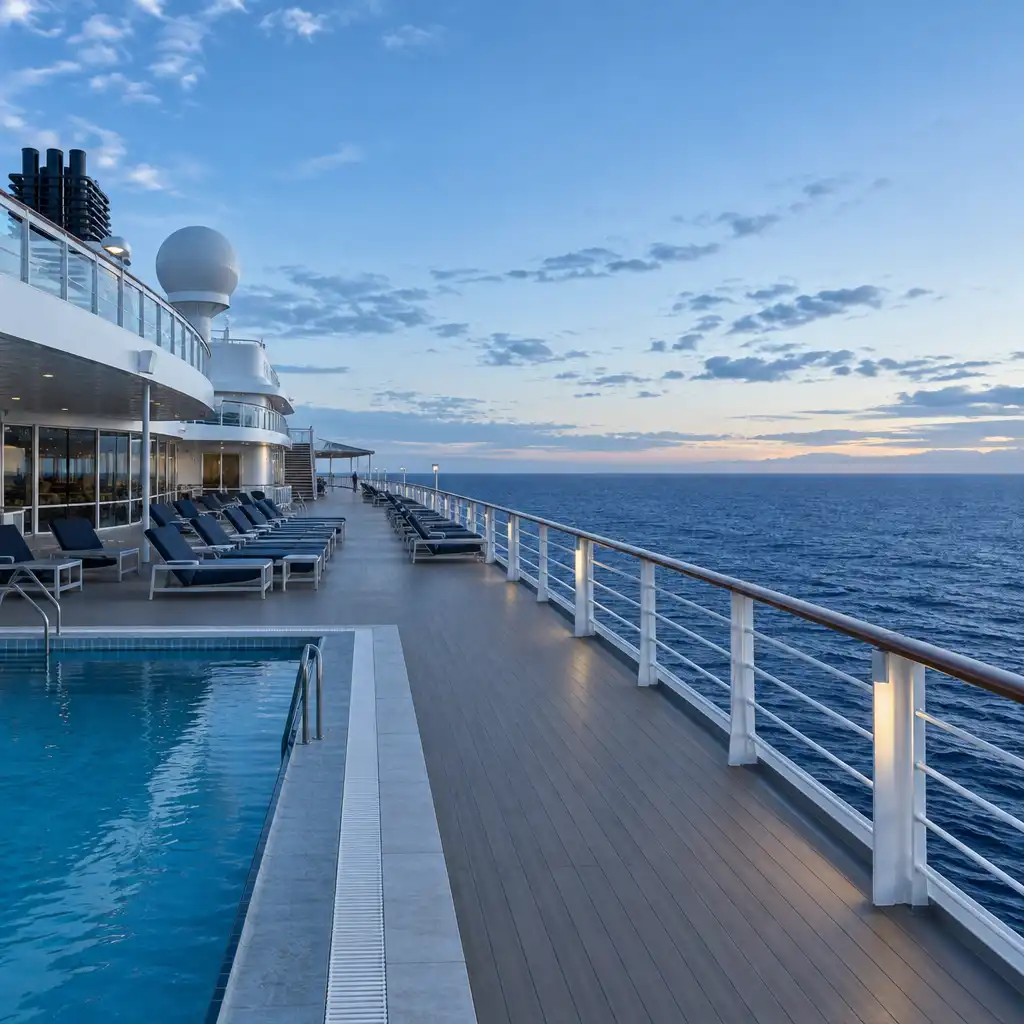
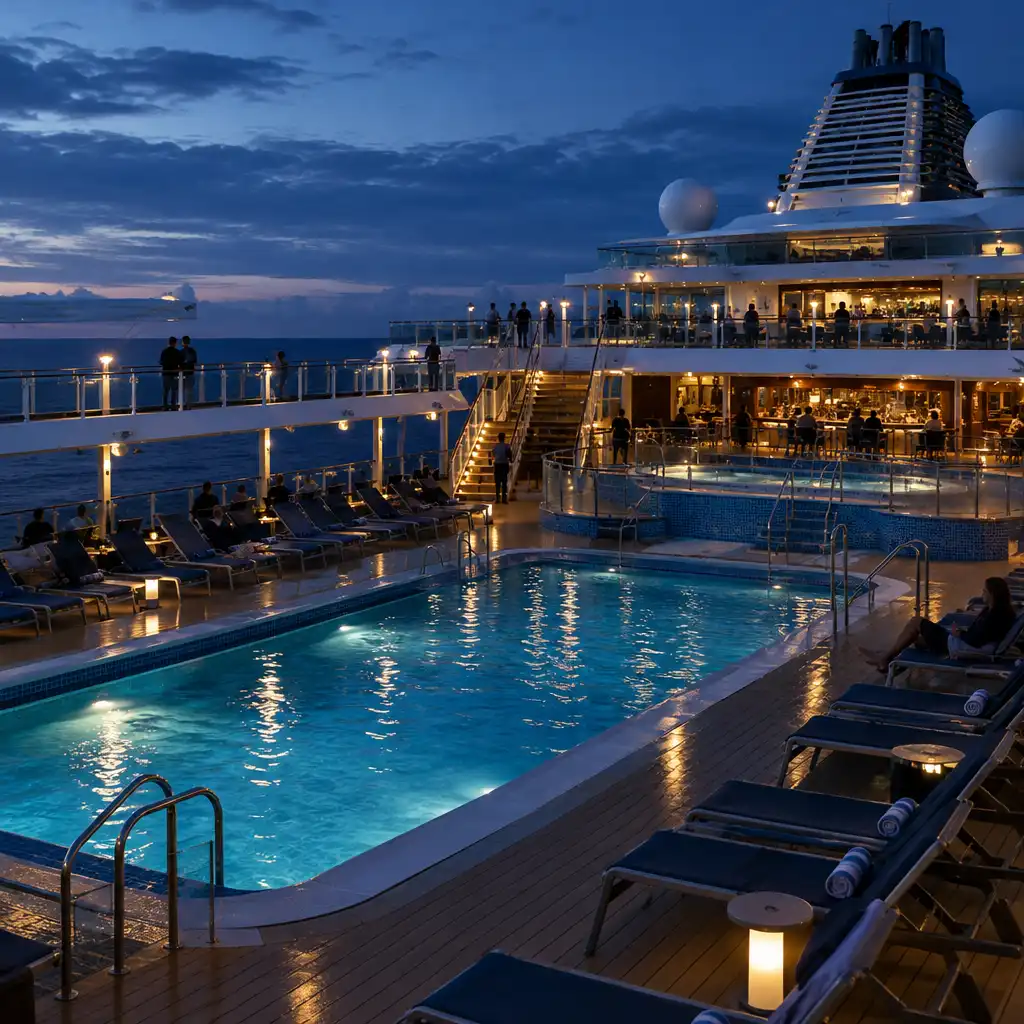
Contemporary cruise ship pool deck illuminated in the evening

Theatre productions

Large-scale shows and guest performers may appear in the main theatre.

Live music

Lounge sets, duos and party bands can vary by venue and sailing.

Lounges and bars

Quiet conversation, pre-dinner drinks and social spaces after dark.

Pool deck evenings

Open-air events and illuminated deck space on selected sailings.

Observation decks

Horizon views and a quieter pace away from the main venues.

Cinema screenings

Indoor or outdoor film sessions where the ship offers them.

Late-night snacks

Casual food options can support a longer evening out.

Family activities

Age-suited programming and shared activities vary by ship.

Dress codes, reservations and timing

Evening plans work best when you know what the venue expects. Some restaurants and shows benefit from a reservation, while theatre seating and lounge space can fill around popular times. Dress guidance and access rules vary by ship and sailing, so check the daily programme and current onboard information rather than assuming every venue works the same way.

  • Daily programme and venue times
  • Reservation options where offered
  • Dress guidance for the evening
  • Access and age suitability

Compare the sailing around the shipboard experience

Use the finder to compare Australian itineraries with the ship layout, entertainment and practical onboard context in mind.

Explore Australian Cruise Sailings

Traveller pathways

A ship environment for every kind of traveller

The same sailing can feel very different depending on how you use cabins, decks, dining and social spaces. Start with the priorities that match your travel style.

Start with the ship

First-time cruisers

Begin with layout, cabin categories, dining routines and practical departure planning before focusing on extras. Plain-English explainers make realistic questions easier to ask.

Compare the details

Seasoned sea travellers

Look beyond category labels to deck nuance, dining differences, infrastructure and itinerary comparisons. Repeat cruisers often benefit from closer practical detail.

Plan the rhythm

Families

Consider cabin practicality, daytime venues, entertainment timing, pool and activity areas, and manageable dining routines. Age suitability and facilities vary by ship.

Find your pace

Adults seeking downtime

Quiet decks, dining atmosphere, lounges, wellness spaces and cabin location can be useful comparison points. Atmosphere varies by vessel and itinerary.

Navigate independently

Solo explorers

Social spaces, day programming, practical cabin decisions and itinerary flow are useful research areas for solo travel, without assuming a single onboard experience.

Coordinate the crew

Social cruise groups

Compare dining arrangements, shared activity zones, entertainment choices and gathering points. Check current booking and group policies directly with operators.

Planning questions

Questions to settle before sailing

Use these starting answers to focus your research, then check current sailing-specific details before booking.

Which cabin category should I begin with?

Start by comparing inside, oceanview, balcony and suite categories, then look at location and nearby venues as carefully as the category name. A cabin near lifts or public spaces may suit convenience, while another traveller may prioritise quiet or a particular deck position. Use our cabins and suites guides alongside deck context; no category is automatically right for every trip.

How can I judge dining options before booking?

Separate included dining from specialty experiences, then check current reservation, dietary and timing details for the particular sailing. Dining guides can help you compare venue styles and likely routines, but they are preparation rather than a substitute for current operator information. Think about how your group prefers to eat on sea days and busy evenings.

Why do deck plans matter?

Deck plans show the relationships between cabins, lifts, activity areas, theatres, pools and dining spaces. They are useful orientation tools when considering access and nearby public areas, but they do not guarantee crowd levels, noise or a particular onboard atmosphere.

Which Australian ports does GEORGIOS DIMOSTHENIADIS cover?

GEORGIOS DIMOSTHENIADIS covers departure context for Sydney, Melbourne, Brisbane and Fremantle. Use the cruise finder to compare available departure dates and itineraries from those Australian origins; do not assume every sailing is offered from every city.

Which destinations can I explore from Australia?

Australian departures reach South Pacific islands, New Zealand, the Great Barrier Reef and Queensland coast, Tasmania and the Kimberley, depending on the season and operator. Use our cruise destinations guide to compare the character of each region, then check the individual sailing for ports and sea days.

How do I compare onboard facilities?

Start with the facilities that affect your daily routine: cabin location, dining venues, deck space, entertainment, guest services and shore-excursion meeting points. Deck plans and ship reviews provide useful context, but current ship information remains the practical source for venue access and schedules.

Independent planning notes

Planning notes from an independent portal

GEORGIOS DIMOSTHENIADIS helps visitors compare ship environments, cabin categories, dining styles, entertainment and itinerary context before they seek current sailing-specific details. Use guides to form better questions, then check current terms, availability and ship information with the relevant operator before booking.

Current details matter

Treat shipboard details as sailing-specific

Programming, dining arrangements, venue access, destination calls and onboard technology can change by ship, itinerary and operating conditions. Use comparisons as context, not as a guarantee of an individual sailing.

Destination planning

Match the route to the experience you want

A destination name is only the beginning. Compare the departure city, season, port sequence and number of sea days so the voyage matches the pace and conditions you are prepared for.

Final route

Ready to Chart Your Next Ocean Journey?

Compare departure dates and itineraries from Sydney, Melbourne, Brisbane and Fremantle when you are ready to move from research into practical sailing options.

Explore Australian Cruise Sailings